
Pillars of Park City Lacrosse
Work Hard, Have Fun, Respect the Game!
About Park City Lax
The Park City Youth Lacrosse Organization (PCYLO) runs programs for boys and girls K-8th grade. Our primary purpose is to teach and promote the game of lacrosse in a fun, safe and sportsmanlike environment. As a youth sports organization, PCYLO is dedicated to the skill development of lacrosse players of all abilities. Along with teaching lacrosse, PCYLO strives to instill the values of sportsmanship, teamwork, fair play and a love of the sport of lacrosse, along with respect for teammates, coaches, officials, and opponents; in essence, we "Honor the Game."
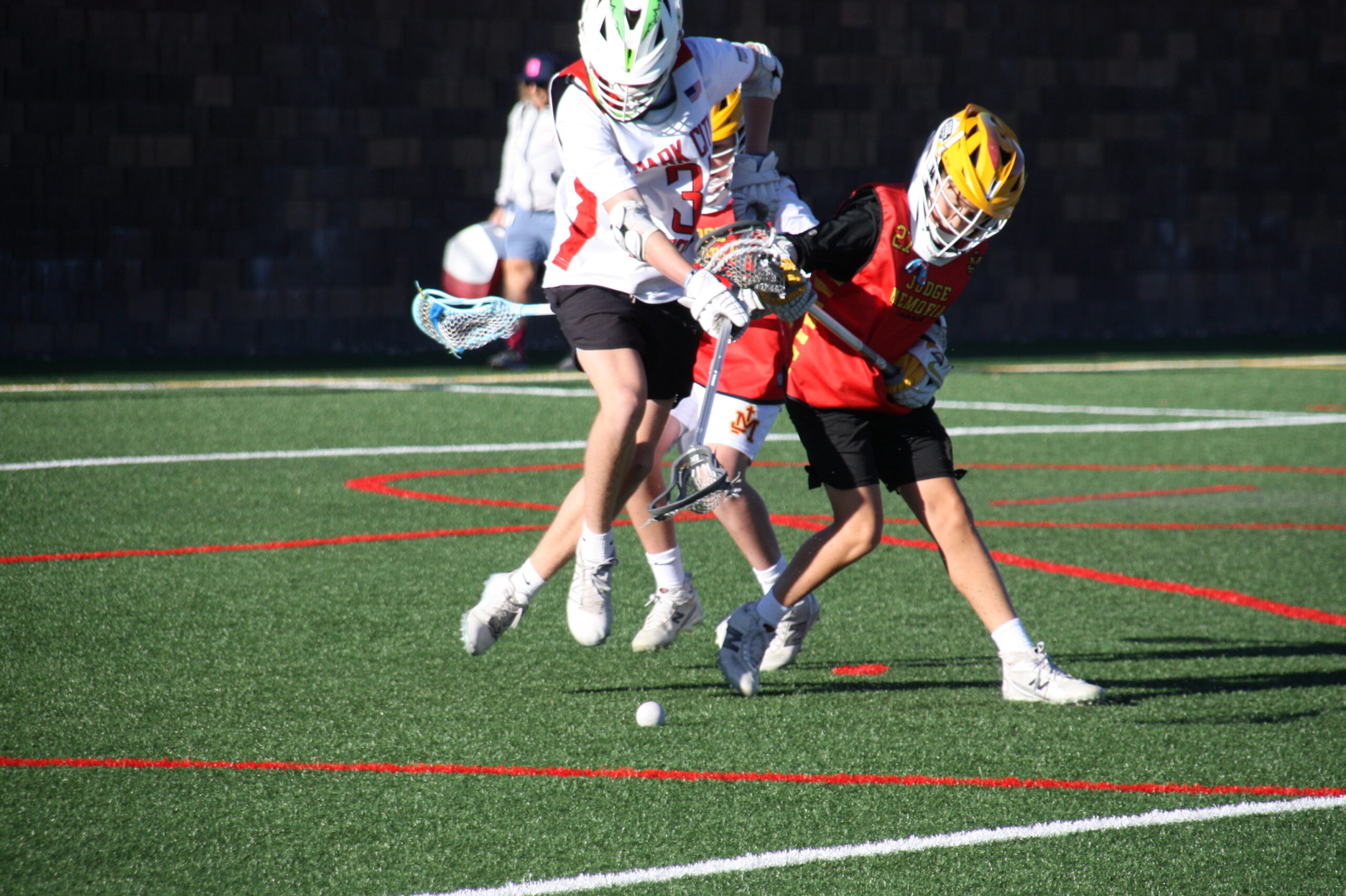
PCYLO believes that sportsmanship is a way of life and will conduct all activities in a manner that will set an example of good sportsmanship and friendly competition for our young players and the community.
ROOTS
We use the acronym “ROOTS” to help remind our players, parents, and coaches to respect the game.
- Rules: We refuse to bend the rules to win
- Opponents: A worthy opponent is a gift that brings out our best
- Officials: Show respect even when we disagree
- Teammates: Never do anything to embarrass our team
- Self: We live up to our own standards even when others don’t
PCYLO Philosophy: Excellence Through Athletics
VISION
- To foster an environment that promotes athletic achievement & excellence, but more importantly, the achievement of excellence in life
MISSION
- Promote Interest in the sport of lacrosse in Park City and surrounding areas
- Increase youth participation in the sport of lacrosse in our community
- Provide an environment in which every youth athlete:
- Learns the skills, tactics and strategies of the game so that they improve as a player
- Feels safe & welcome
- Experiences positive coaching and encouragement
- Has fun playing the game
- Feels like an important part of a team
- Learns “life lessons” such as sportsmanship and leadership that have value beyond the playing field
VALUES
- Respect
- Integrity
- Discipline
- Teamwork
- Passion
2026 PCYLO Board of Directors
Philosophy Update and Notes
This spring, the board of directors received feedback and questions about the club ethos and processes. This document is intended to share some thoughts and responses with more transparency and is intended to serve as descriptions of our processes and decision making, not as a set of rules.
- PCYLO is, first and foremost, a recreation-based program for boys and girls players in grade Kindergarten to 8th grade whose priorities are participation at all skill levels, sportsmanship, skill development, and fostering a lifelong love of the game.
- We acknowledge and embrace that there are players in PCYLO participating in competitive IMLAX league play, and view this as complementary, rather than conflicting, to the PCYLO priorities noted above.
- PCYLO Teams, practices, and league game play is organized within IMLAX by cohort (grade). Team formation varies by season and cohort, and may be structured by skill level, grade level within the cohort, or balanced distribution depending on enrollment size and league requirements. This structure will be decided by boys and girls program directors and reviewed by the board each season.
- PCYLO relies heavily on parent volunteer coaches but may invest in professional coaching resources to raise overall coaching quality across the program.
- As a nonprofit, PCYLO’s board is responsible for making decisions that are fair, transparent, and in the best interest of the full community, balancing individual preferences with program-wide needs.
- What we (The Board) commit to: As a volunteer-run organization, we commit to a communication standard – explaining the why behind decisions, not just the what – and to a board-side response time standard that compliments the ‘24-hour rule’ around communication that we ask of parents.
- What we ask in return: We ask for partnership from our community as we work to deliver a strong and positive experience for all players and families. We are volunteers managing a variety of conflicting demands; the partnership and patience of parents is what makes the program work.
- “How We Make Decisions” Document Implementation: One page, plain language. Cover team formation, practice scheduling, and team structure — who decides, on what basis, and how PCYLO’s core values factor in. Post to the website, send via newsletter.
Desired outcome: Challenges the perception that decisions are arbitrary or counter to our values. Gives us something to point to when questions arise. This process should be revisited annually or occasionally against parent surveys and feedback.
Addendum below (is a starting point and will be updated occasionally), would live in a PCYLO Board Operating Manual (a proposed new document)
- “Why Behind the Decision” Communication Standard Implementation: Establish an internal norm — any email announcing a scheduling or structural change includes one or two sentences of plain-language rationale before it goes out.
Desired outcome: Prevents the kind of perception gap that triggered some of the parent outreach this spring.
Addendum below (is a starting point and will be updated occasionally), would live in a PCYLO Board Operating Manual (a proposed new document)
3. Practice Scheduling Guidance for Parents:
Each season we are given times and fields by Basin and the City and are subject to their availability. Any games that are scheduled either midweek or as makeup games, regardless of cohort or gender, take precedent over practices. For Practice Schedules, 4 Guidelines are used…
Guideline 1: Practice planning is gender equal. Equal space and time should be given to girls and boys, based on group sizes and needs.
Guideline 2: Cohort size and number of kids on the field are considered to maximize field space to get the most number of kids practicing. A general guide of no more than (approx) 40 kids on one field at a time should be used if possible. This could mean two smaller cohorts could share a field, and a very large cohort could divide into two field areas if possible / feasible / practicable.
Guideline 3: IMLAX guidance has two (2) 60-minute practices per week for all K-4 boys and girls participants and 90 minute practices for grades 5-8. Any third practice must be optional
Guideline 4: Make up practices prioritization. If a practice is cancelled on a team/cohort, that team/cohort is given consideration for a makeup date and space that becomes available. Practices can be cancelled for many reasons, most notably weather, midweek games that take precedence over practices (and makeup games from weather), and other practice schedule conflicts and events.
- Equipment Guidelines
Standard equipment is required for all boys players in PCYLO and IMLAX for practice and game play. What PCYLO provides as part of the sign up fees and must be used at every practice and in every game:
– Park City uniform—jersey, shorts, and a shot shirt. Jerseys and shorts should only be worn in games and be cared for and returned at the end of the season or additional fees will be assessed. Shot shirts are for players to keep and wear in the community with pride in representing Park City Lacrosse.
– Park City practice jersey (pinnie) . This should be worn at every practice. Reversible so we can effectively split up by colors in drills. Also Park City branded. Please return after each season.
– Balls, goals, field space, and coaching all provided.
Not Provided but Required for all Players (also noted elsewhere in the PCYLO and IMLAX websites https://parkcitylacrosse.org/play-lacrosse/equipment-checklist/):
BOYS
– Shoulder Pads, elbow pads, cleats, a protective cup, mouthguard, and a stick. NO long poles (even if your son plays defense) until the 5th grade. If you have questions on sticks and strings, ask a coach.
– Helmets. We encourage your son to wear an un-branded or Park City branded, WHITE helmet whenever possible. We understand that the rental programs often don’t provide white helmets. We also understand that many of our Park City kids play travel lacrosse and those players are required to buy colored helmets. To encourage playing for and representing Park City, we hope that either a second helmet can be purchased or obtained.
Tribal Lacrosse in SLC runs a great rental program that if affordable. Also used equipment on “Park City Yard Sale” on Facebook and at the Christian Center is also often available and coaches may be able to provide some feedback on what’s best to buy (and stay away from)….
GIRLS:
Mandatory Field Player Gear
- Women’s Lacrosse Stick
- Protective Eyewear: Always ensure goggles are approved for women’s lacrosse before buying.
- Mouthguard: Cannot be clear or white.
Optional
- Headgear: US Lacrosse-approved soft headgear is permitted, though rarely mandated.
Goalie Specifics
- NOCSAE-certified helmet with a face mask and separate throat protector.
- Chest protector: Must cover the heart and abdomen.
To check for the most up-to-date NOCSAE/ASTM certifications and to find approved gear lists, check the official USA Lacrosse Equipment Guide
How the PCYLO Board Makes Decisions
PCYLO is a volunteer-run nonprofit. The board makes decisions based on what is best for the full program and not the needs of individual teams, players, or families. Below is a plain-language summary of how we make key decisions.
OUR CORE PRIORITIES
Every decision the board makes is evaluated against these values, not in order:
- Participation at all skill levels
- Sportsmanship and positive culture
- Skill development
- Fostering a lifelong love of the game
- Nonprofit governance
OUR LEAGUE
We participate in competitive league play. We view this as complementary to recreation, not a replacement for it, and at times decision making that must balance those two outcomes will require our coaches to make certain player assessments. We will always endeavor to place a player in the situation that will maximize their involvement and development opportunities. At times, this means a player may be placed on a roster that is not their first preference.When that happens, the coaching staff and Program Director will explain the reasoning to the player and family, in the spirit of the Communication Standard above.
TEAM / AGE STRUCTURE
Players are placed in age-appropriate groups within any given season. Placement is not necessarily a permanent designation. A player’s team or age group may change season to season and within a given season based on development, enrollment and league requirements.
TEAM FORMATION
Who decides: Program Directors, Coaches with an endorsement by the board,, in coordination with league requirements, methodology approved annually by the board.
Based on what: Enrollment size, skill level, grade, or balanced distribution — depending on the season and what the league requires. IMLAX requires an equal split of talent as best the program can for Grades 5-6 and 7-8 for Boys and 7-8 for Girls (girls split of talent guidelines can vary from IMLAX) for the SPRING season. For the Fall season, all teams must be split equally on talent. Programs are given the ability to create grade-based teams if they desire. Evaluation of talent is led by the Program Directors with feedback from the Coaching Staffs of each cohort where applicable. The Program Director can call for Evaluations that should take place as fairly as possible over multiple nights with a deadline of team selections completed by the IMLAX season deadline.
PRACTICE SCHEDULING
Who decides: Program Directors and Coaches, based on field availability
Based on what: Field access, coach availability, and team size. Separate locations or adjusted times are driven by logistics, with consideration given to equity between cohorts..
Our goal: Shared field time across the program wherever possible. When that isn’t feasible, we will say so and explain why.
HOW THE BOARD OPERATES
- The board is a volunteer nonprofit board.
- Board Members are responsible to the full community, not just to any individual family or team. Decisions are made with the program’s core values as the primary filter.
- We balance individual preferences with what’s fair and feasible program-wide.
- We will make mistakes. When we do, we’ll own it and adjust.
- The board nominates and selects its own board members in accordance with the organization’s bylaws.